
Costs and Taxes of Buying Property in Turkey (2026)
What buying a home in Turkey costs on top of the price: title deed fee split, land registry charge, DASK insurance, VAT for foreigners, property tax and dues.
On top of the purchase price, a buyer in Turkey pays the title deed fee, a land registry (TKGM) revolving fund charge and compulsory earthquake insurance (DASK); new-build purchases may also involve VAT, and ownership brings annual property tax and building dues. The title deed fee is 2% of the declared price, charged separately to buyer and seller (as of October 2026). Valuation report fees apply when you take a mortgage or buy for citizenship.
The cost items at a glance
| Item | When | Legal basis |
|---|---|---|
| Title deed fee | At transfer, buyer and seller separately | Fees Law No. 492 |
| Revolving fund fee | At the registry transaction | TKGM fee schedule |
| Compulsory earthquake insurance (DASK) | Before registration, then yearly | Disaster Insurance Law No. 6305 |
| VAT | First purchase of a new home from the developer | VAT Law No. 3065 |
| Property tax | Every year while you own it | Property Tax Law No. 1319 |
| High-value residence tax | Every year, above the threshold | Property Tax Law No. 1319 |
| Building dues (common expenses) | While you own it | Condominium Law No. 634 |
| Valuation report | Mortgage or citizenship cases | Bank / TKGM practice |
Title deed fee: how it is split
Under Fees Law No. 492, the title deed fee is 20 per mille (2%) of the declared sale price, charged separately to the buyer and to the seller. In total, 4% of the transaction value is collected as fees (as of October 2026).
The base cannot be lower than the property’s tax value: if the declared price is below that value, the fee is calculated on the tax value instead.
Example: on a declared price of TRY 10,000,000, the buyer’s share is TRY 200,000 and the seller’s share is TRY 200,000.
For foreign buyers there is little room for discrepancies anyway: the official deed is drawn up based on the Turkish lira amount on the bank-issued Foreign Exchange Purchase Certificate (DAB).
Revolving fund fee
Separately from the title deed fee, TKGM charges a revolving fund fee for sales. It follows the TKGM fee schedule published each year and varies with the local coefficient of the registry office’s location, so a single national figure would be misleading. The registry office will confirm the current amount for your transaction when you apply.
DASK: compulsory earthquake insurance
Compulsory earthquake insurance is governed by Disaster Insurance Law No. 6305. The property owner is responsible for taking it out, and land registry offices do not register transactions for units within its scope unless a valid policy is documented. TKGM also lists it as a requirement for title transactions involving homes and workplaces.
The premium depends on the building’s risk zone, construction type and floor area. The policy runs for one year and must be renewed annually. DASK’s official website has a premium calculator.
VAT: new builds and the foreign buyer exemption
VAT arises on the first delivery of a new home by the developer; buying a resale home from a private individual generally does not involve VAT. For new builds, the applicable rate depends on the net floor area, the nature of the project and the building permit date, so ask the developer to confirm the rate and invoice amount in writing before you sign.
There is an important exemption for foreign buyers (VAT Law No. 3065, as of October 2026):
- Sales of buildings constructed as homes or workplaces, on first delivery, to foreign individuals not resident in Türkiye are exempt from VAT, provided the price is brought into Türkiye in foreign currency.
- If a property bought under the exemption is disposed of within three years, the uncollected VAT plus deferral interest must be paid by the seller before the title transfer.
- If the exemption is applied without its conditions being met, the seller and buyer are jointly liable for the uncollected VAT, a tax loss penalty and late-payment interest.
Our foreign investor page brings together tax, residence and citizenship rules with their official sources.
Property tax and the high-value residence tax
Once you own the home, you pay property tax every year. Under Property Tax Law No. 1319 (as of October 2026):
- Building tax is 0.1% for residences and 0.2% for other buildings.
- Within metropolitan municipality boundaries, including Istanbul, Ankara, İzmir, Bursa and Antalya, these rates apply with a 100% increase, so 0.2% for residences.
- Land tax is 0.1%, and 0.3% for building plots, again doubled in metropolitan areas.
High-value residence tax: in 2026, residential properties whose building tax value exceeds TRY 17,711,000 are subject to this tax. It applies to the portion above the threshold at progressive rates of 0.3%, 0.6% and 1%. Thresholds and exemptions can be updated each year, so it is worth checking the building tax value with the municipality before you buy.
After completion, contact the municipality to have the property tax record opened in your name, and confirm the declaration deadline and payment schedule with them.
Building dues and common expenses
Dues are not a tax; they are your share of the building’s or complex’s common costs. Under Condominium Law No. 634, unless the owners agree otherwise, each owner contributes:
- equally to the costs of the doorman, heating operator, gardener and security guard,
- in proportion to their land share to insurance premiums, maintenance, protection, reinforcement and repair of common areas, the manager’s fee and the running costs of shared facilities.
Owners who pay late owe a delay penalty of 5% per month for the days overdue. In residences and complexes with pools, gyms, security and concierge services, dues are a meaningful line in the budget: before you buy, ask management in writing for the management plan, current dues and any outstanding arrears.
Valuation report
A valuation report is not legally required for every purchase. TKGM confirms it is not mandatory in all transactions by foreigners; for citizenship purchases, however, an Amount Determination Certificate (TTB) based on a report from a valuation firm licensed by the Capital Markets Board is required. If you take a mortgage, the bank will also commission its own valuation. Fees vary by firm and by transaction.
When you sell: capital gains
It pays to think about the exit as well. Under Income Tax Law No. 193, if a property is sold within five years of acquisition, the gain is taxed as a capital gain. In 2026, TRY 150,000 of such gains (excluding securities) is exempt.
What changes from project to project
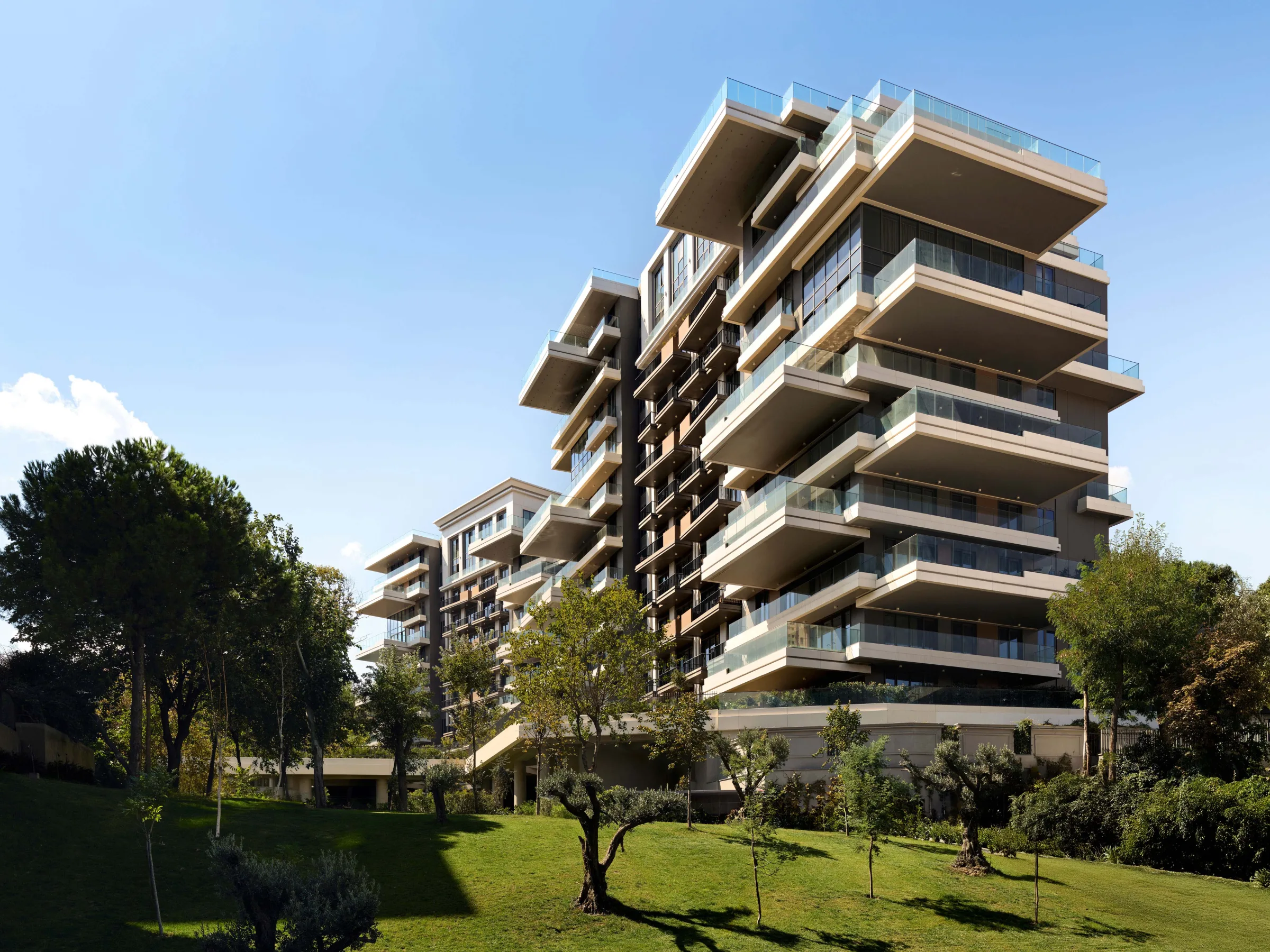
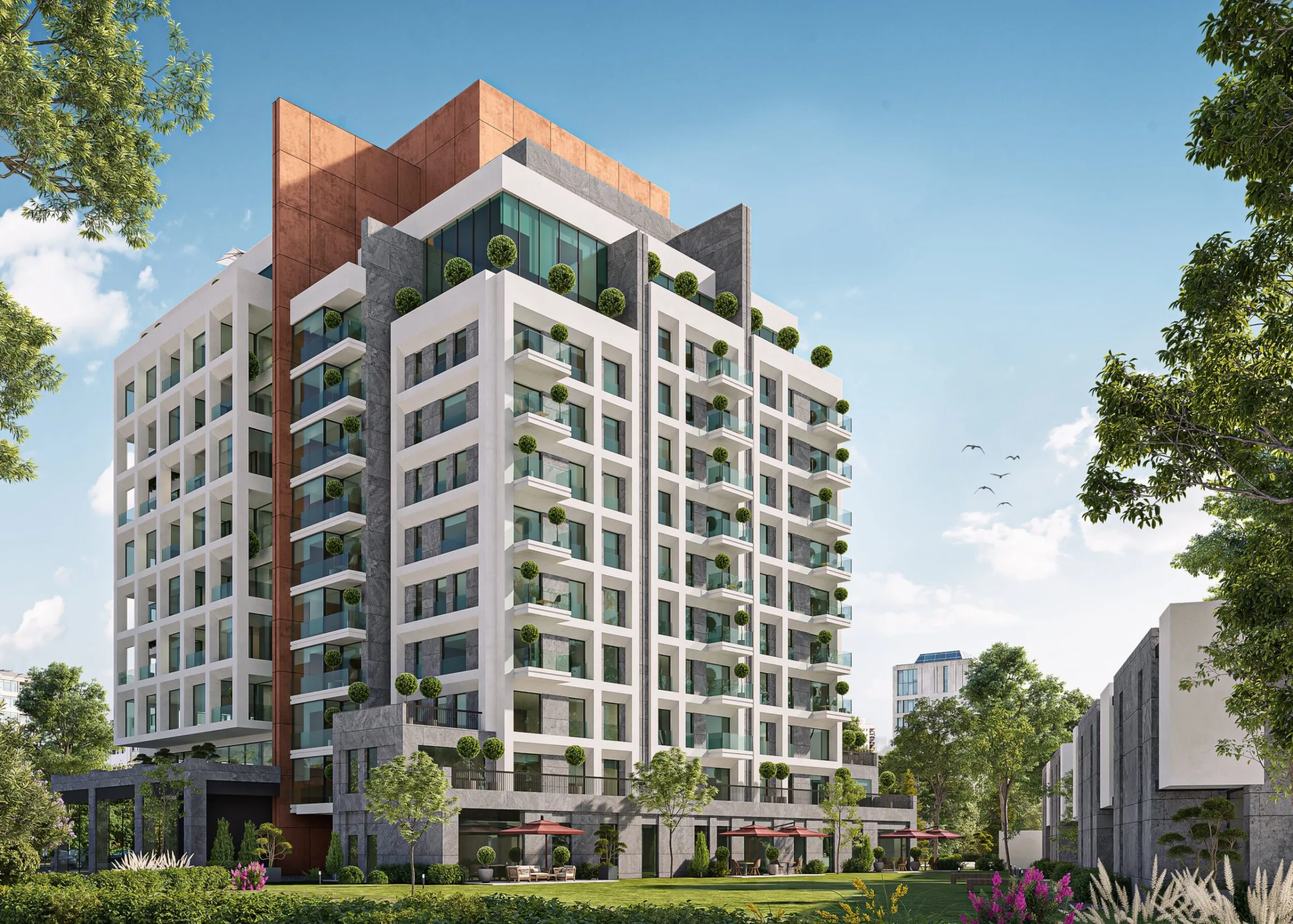
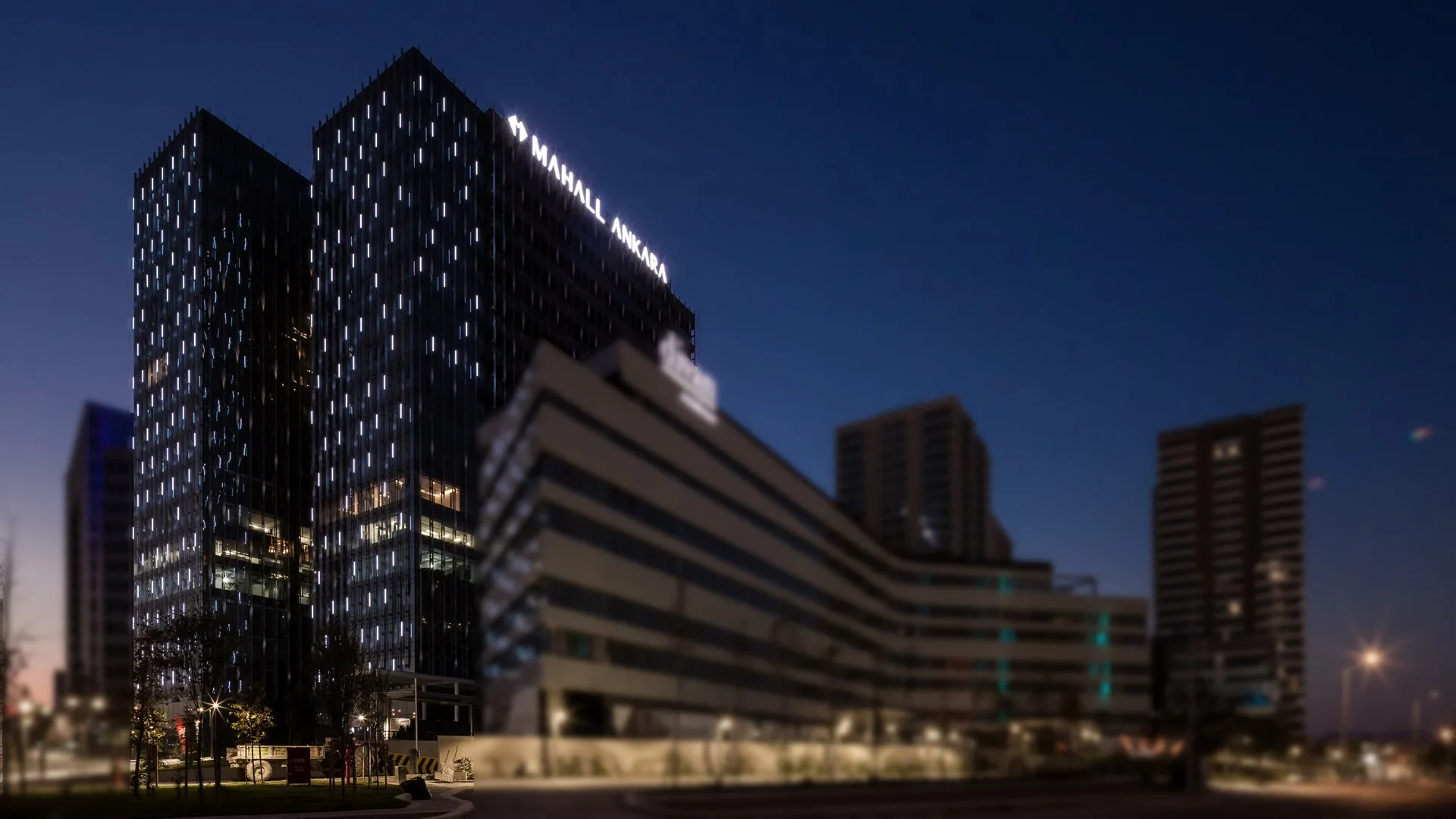
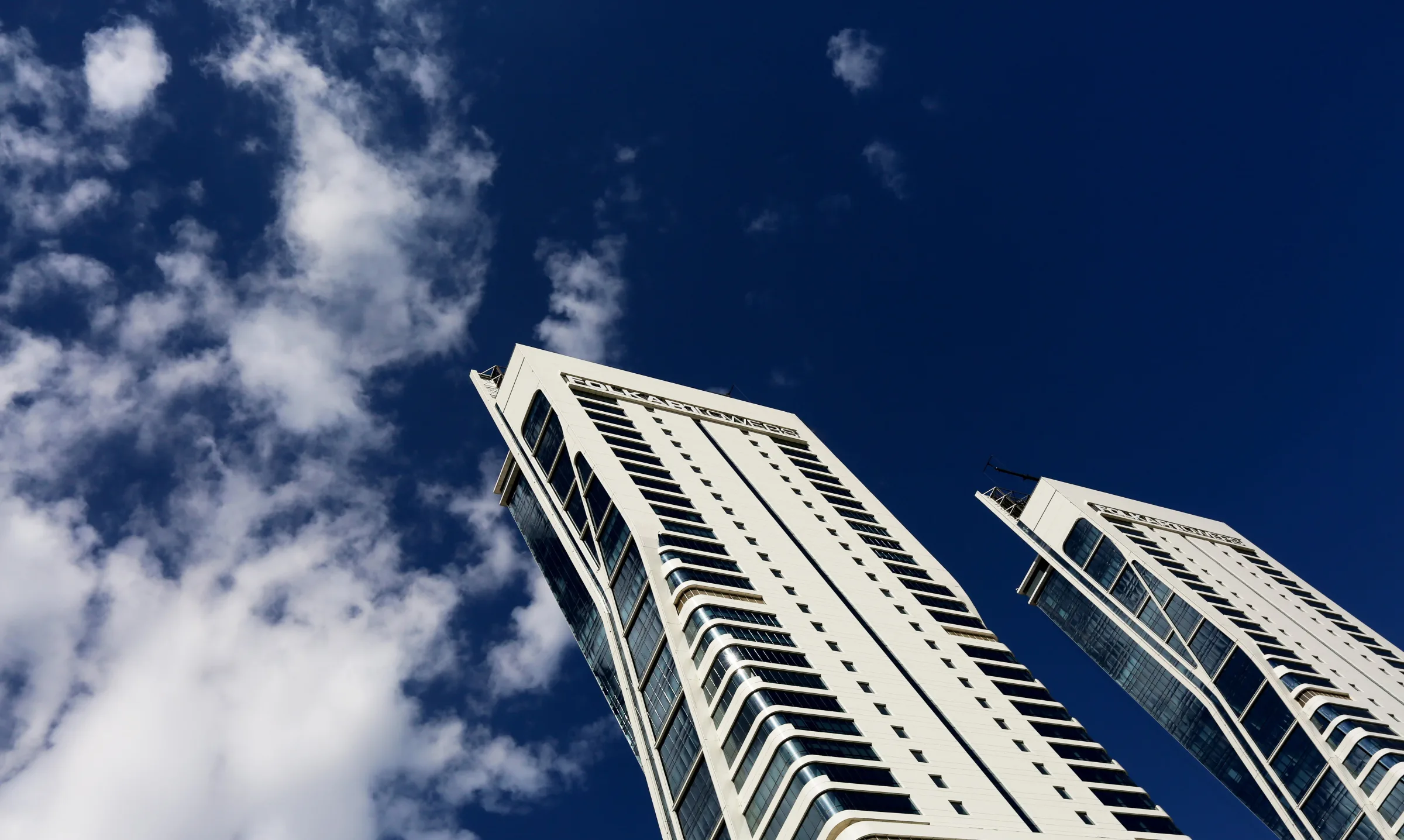
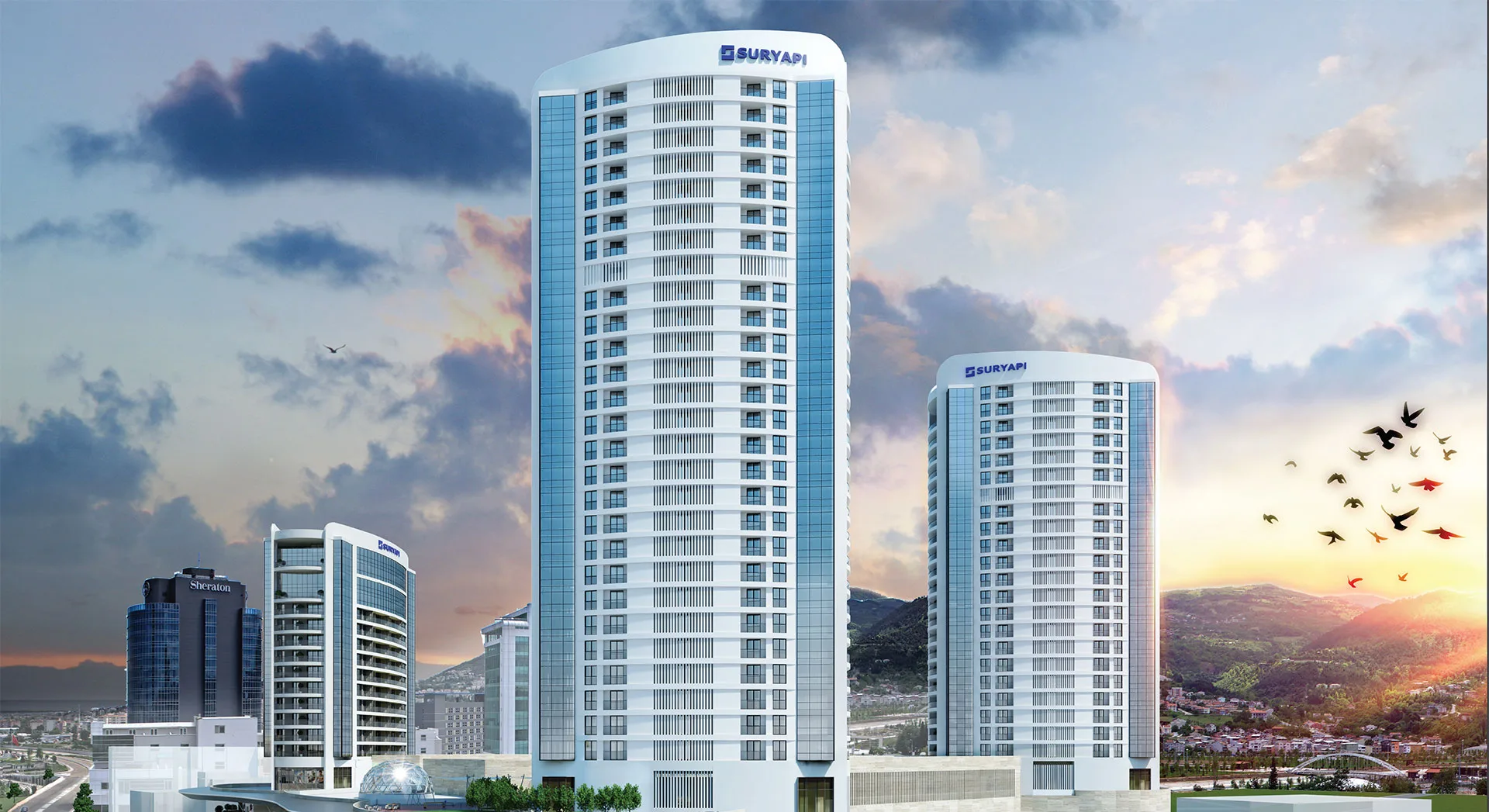
The cost items are the same everywhere; the amounts depend on the city, district and the property’s status. For example, Vadistanbul Teras in Sarıyer, Nişantaşı Koru in Şişli and Seba Central in Kağıthane are all within Istanbul’s metropolitan boundaries and subject to the increased property tax rate. The same applies to Mahall Ankara in Çankaya, Folkart Towers in Bayraklı, İzmir, and Sur Yapı Marka Rezidans in Nilüfer, Bursa. With a newly delivered unit, VAT and the first dues budget matter most; with a resale unit, checking for unpaid dues and property tax comes first. You can browse more options in our project search.
Working with NeoKonut
When you leave a request, one of our advisors will call you and go through the cost items and documents to check for the property you are interested in. We also work on properties outside our listed portfolio. The first consultation is free of charge.
This article is for general information only; please seek legal and tax advice specific to your transaction.
Frequently asked questions
Who pays the title deed fee in Turkey?
Under Fees Law No. 492, the title deed fee is 2% (20 per mille) of the declared sale price, charged separately to both buyer and seller (as of October 2026). The base cannot be lower than the property tax value.
Can the title be transferred without DASK earthquake insurance?
No. Under Disaster Insurance Law No. 6305, land registry offices do not register transactions for units subject to compulsory earthquake insurance unless a valid policy is documented.
Do foreign buyers pay VAT on new property in Turkey?
Sales of newly built homes or workplaces, on first delivery, to foreign individuals not resident in Türkiye are exempt from VAT if the price is brought into Türkiye in foreign currency. If the property is sold within three years, the uncollected VAT plus deferral interest becomes payable.
What is the annual property tax rate?
Building tax on residences is 0.1%, applied with a 100% increase (0.2%) within metropolitan municipality boundaries such as Istanbul (as of October 2026).
What is the high-value residence tax?
In 2026, homes with a building tax value above TRY 17,711,000 are subject to it. It applies to the portion above the threshold at progressive rates of 0.3%, 0.6% and 1%.
Sources
- Fees Law No. 492 (mevzuat.gov.tr)
- Property Tax Law No. 1319 (mevzuat.gov.tr)
- Value Added Tax Law No. 3065 (mevzuat.gov.tr)
- Disaster Insurance Law No. 6305 (mevzuat.gov.tr)
- Condominium Law No. 634 (mevzuat.gov.tr)
- Income Tax Law No. 193 (mevzuat.gov.tr)
- TKGM revolving fund fee schedule 2026 (tkgm.gov.tr)
- Your Key Türkiye – Frequently Asked Questions (TKGM)
- Turkish Catastrophe Insurance Pool (DASK)